
For a restaurant, hotel or food processing plant, a pest control contract is not a commodity purchase — it is a food-safety decision. The wrong provider leaves you exposed to failed audits and contaminated product; the right one becomes a quiet line of defense. Here is a practical checklist.
Start with Licensing and Credentials
According to the U.S. EPA's guide to selecting a pest control service, buyers should "look for quality and value," not cost alone, and every legitimate company must employ at least one certified, licensed commercial pesticide applicator. Verify the license with your state regulatory agency and request references from businesses like yours.
Demand Food-Safe Methods and Written Documentation
The FDA Food Code — the model code adopted by most U.S. jurisdictions — requires food establishments to keep premises free of insects, rodents and other pests. The health rationale is clear: the CDC notes that rodents can spread diseases such as salmonellosis, leptospirosis and hantavirus. A trustworthy provider favors inspection, exclusion and physical trapping over routine spraying, and documents every visit in audit-ready reports.
Ask What Products They Deploy
The consumables a contractor installs reveal their standards. Providers who source OEM commercial pest control glue boards from a qualified manufacturer get consistent glue performance, batch traceability and custom-printed documentation labels — details that matter during audits. If a contractor cannot say where their traps come from, treat it as a warning sign.
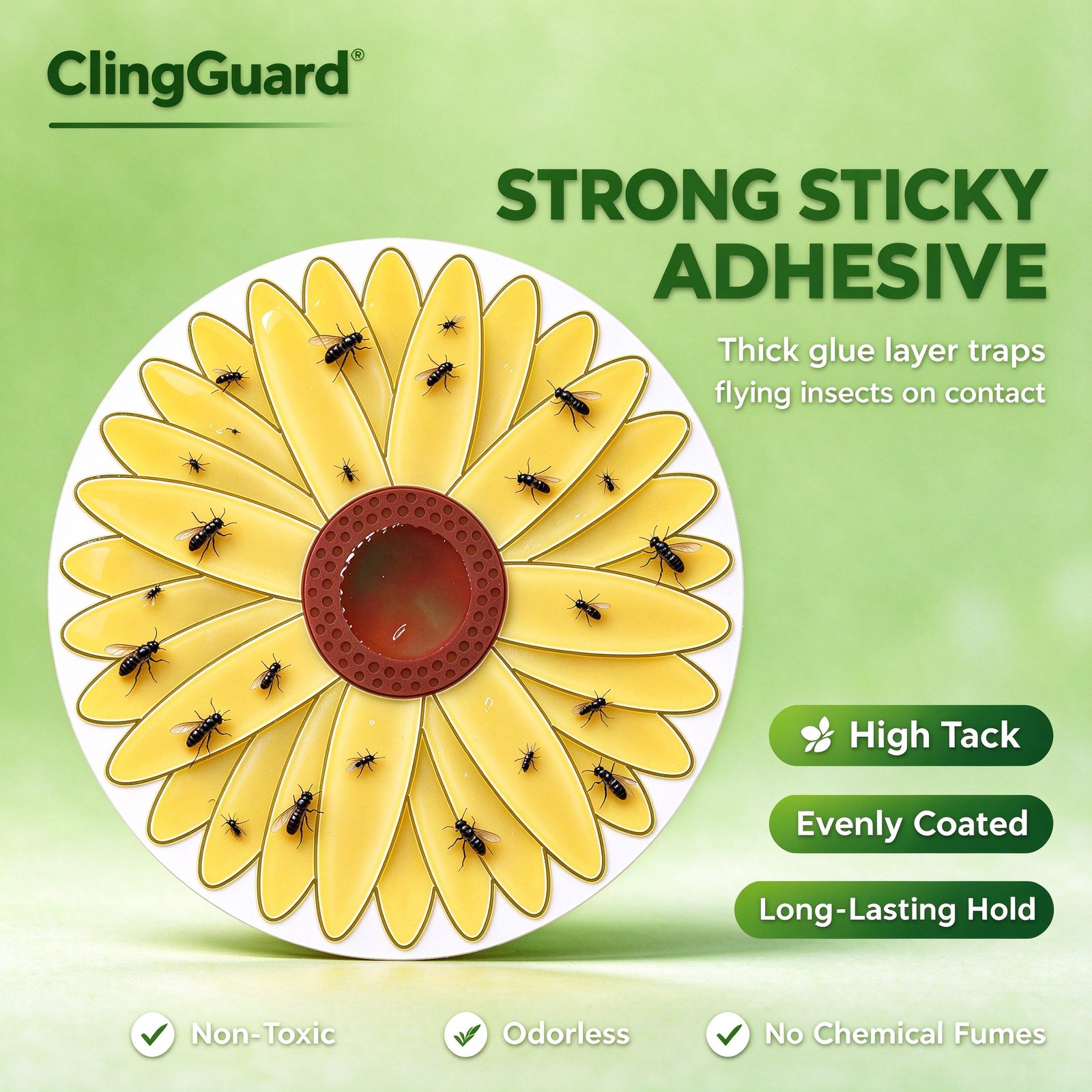
Non-toxic trapping is especially valuable near food and guests. Our Flower Shape Sticky Flying Insect Traps, for example, pair a thick, evenly coated adhesive layer with a discreet decorative design — the kind of product a quality-conscious provider specifies for dining rooms and lobbies.
Check Track Record and Professional Standards
Membership in an industry body such as the National Pest Management Association (NPMA) signals that a company follows established commercial practices. Also look for liability insurance, experience in your sector, and a contract that spells out inspection frequency and response times. A professional program reports pest activity trends, not just treatments performed.
Red Flags Regulators Warn About
The EPA's warning list is blunt: walk away from companies that quote per-gallon prices, claim a "secret formula" (all pesticide products must be EPA-registered), pressure you to sign immediately, or claim government endorsement — agencies never endorse service companies. In commercial settings, also insist on a written sighting log and sanitation-schedule coordination.
Selecting a provider comes down to evidence: verifiable licenses, audit-ready methods, and products with a traceable supply chain. As a manufacturer of non-toxic glue traps, fly ribbons and monitoring boards with OEM/ODM programs in 50+ markets, ClingGuard helps buyers and providers raise that standard — talk to our team.
Need professional-grade glue boards, fly traps or monitoring consumables for your facility or service business? Request wholesale pricing, samples or an OEM quotation from our team.
Request a Quote Browse All Products