
For a brand or wholesale buyer, adhesive performance decides whether a glue board earns a reorder or a complaint — yet "strong glue" is hard to verify from a datasheet alone. A short, repeatable receiving-QC protocol solves this: sample correctly, test tack and holding power, age the adhesive, and keep retained samples for traceability.
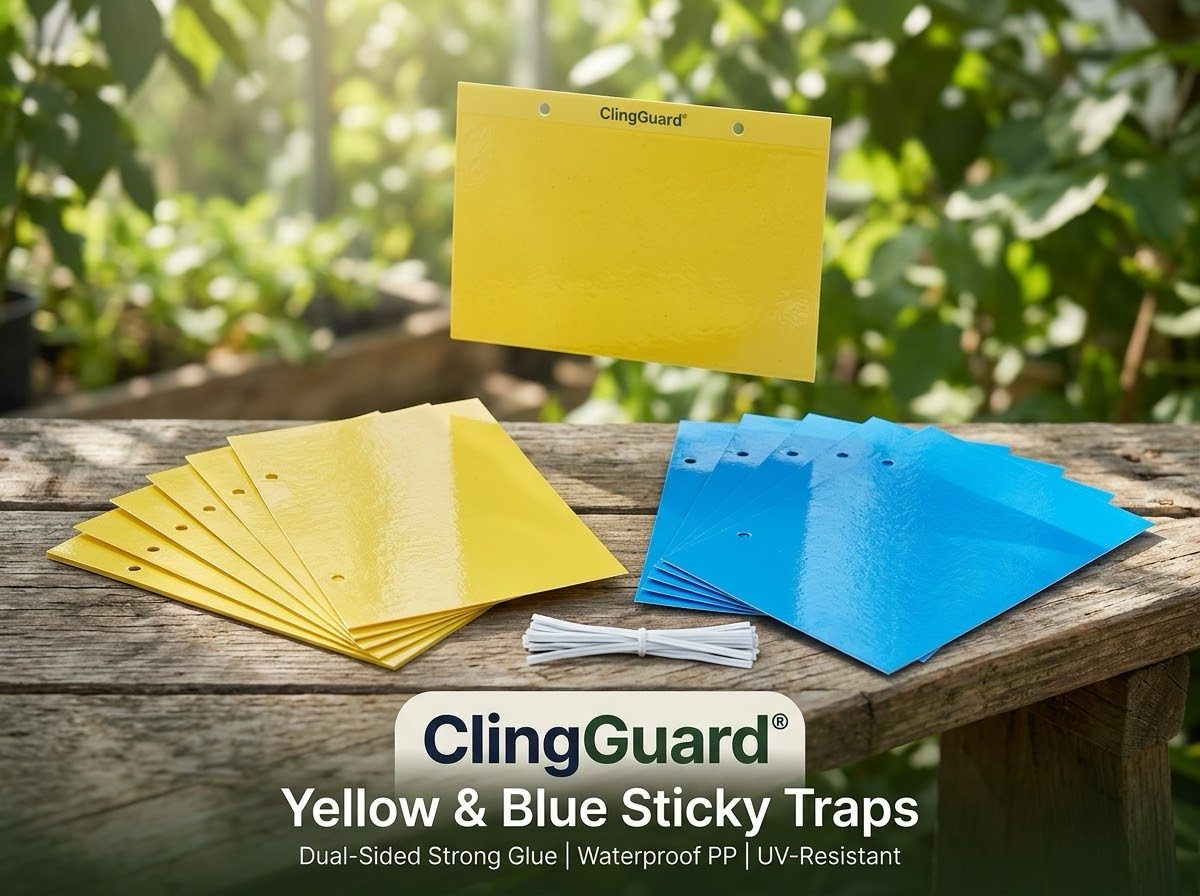
1. Start with a Sampling Plan
Set your sample size before the cartons are opened. Most buyers use AQL-based sampling rather than testing every unit. The NIST/SEMATECH handbook on acceptance sampling explains the statistics behind these plans. Pull units from several cartons across the shipment, not just the first open box. Retain at least two sealed units per lot with their lot code as your reference if a field complaint arrives later.
2. Test Initial Tack and Holding Power
Initial tack is how fast the adhesive grabs; holding power is how long it holds under load. The ASTM D3121 rolling ball tack test rolling ball tack test is the standard reference. On the receiving dock, run a comparative version against a retained reference sample: roll the same steel ball from the same height down the same inclined board and record the stopping distance. For holding power, suspend a fixed weight from a test strip and log time to failure, or check a vertically hung board after 24 hours. As an insect sticky roll manufacturer, ClingGuard runs these comparisons at the coating line, so buyers can benchmark incoming lots against the same method.
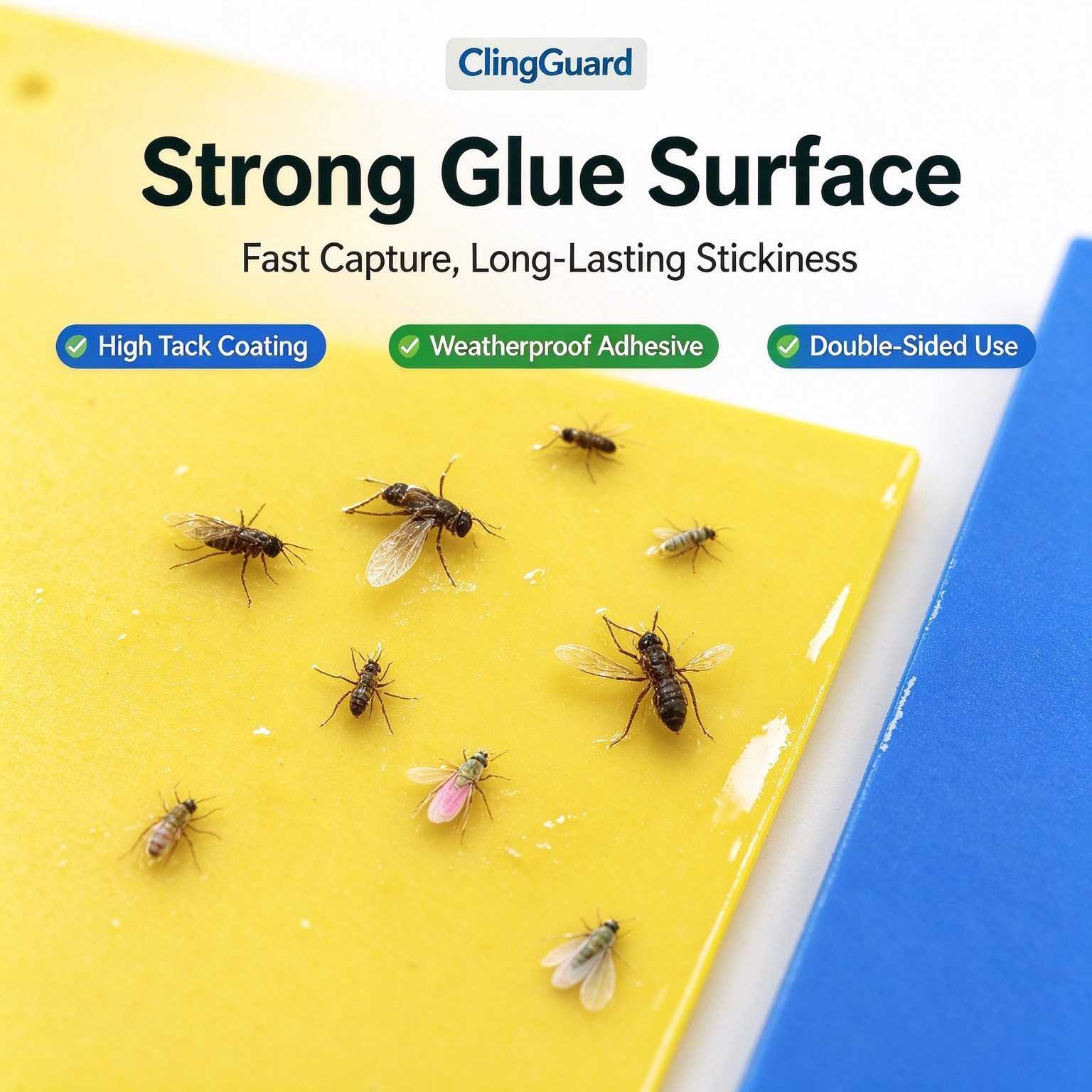
3. Age the Adhesive: Heat, Cold, UV and Water
Adhesives that pass at room temperature can still fail in the field. Condition samples before re-running the tack test: 48 hours at 45 °C for hot storage, 24 hours at 0 °C (lower for cold-resistant formulas), plus outdoor exposure for UV. For agricultural products, add a light water spray to simulate irrigation, then check whether the surface turns milky or loses tack. This matters most on greenhouse yellow sticky traps bulk orders, where cards hang for weeks under irrigation and strong sunlight. The field logic matches the UC IPM guidance on monitoring with sticky traps: a dusty, wet or covered card stops working, so test for exactly those failure modes.
4. Paper Options and Documentation
Sustainability is now part of QC. Buyers can request paper-based eco options — for example a biodegradable paper yellow sticky card — as an alternative to plastic-backed boards. Treat such options as a specification to verify, not a slogan: ask for the material declaration and any third-party test report behind an environmental claim, and add the paper's wet strength to your water test. ClingGuard offers custom paper substrates on request but does not claim a biodegradable certification; any requirement here should be written into the spec sheet and confirmed before production.
A one-page protocol — sampling, tack and holding checks, aging, retained samples with lot codes — turns adhesive quality into a measurable acceptance criterion.
Need coating-line test data or free samples (freight collect) for your receiving QC? Contact our team for specifications, lot documentation and a wholesale quotation.
Request a Quote Browse All Products